Our Hearts and Minds in the Media
Heart Health Month, a ‘Cure’, and a Framework in Flux
As Heart Health Month, February is a perfect time to learn about new developments in cardiology, but first…
Did you notice that metabolic health entered the mainstream conversation this month?
‘Something Worth Paying Attention To’ ~ Dr. Chris Palmer
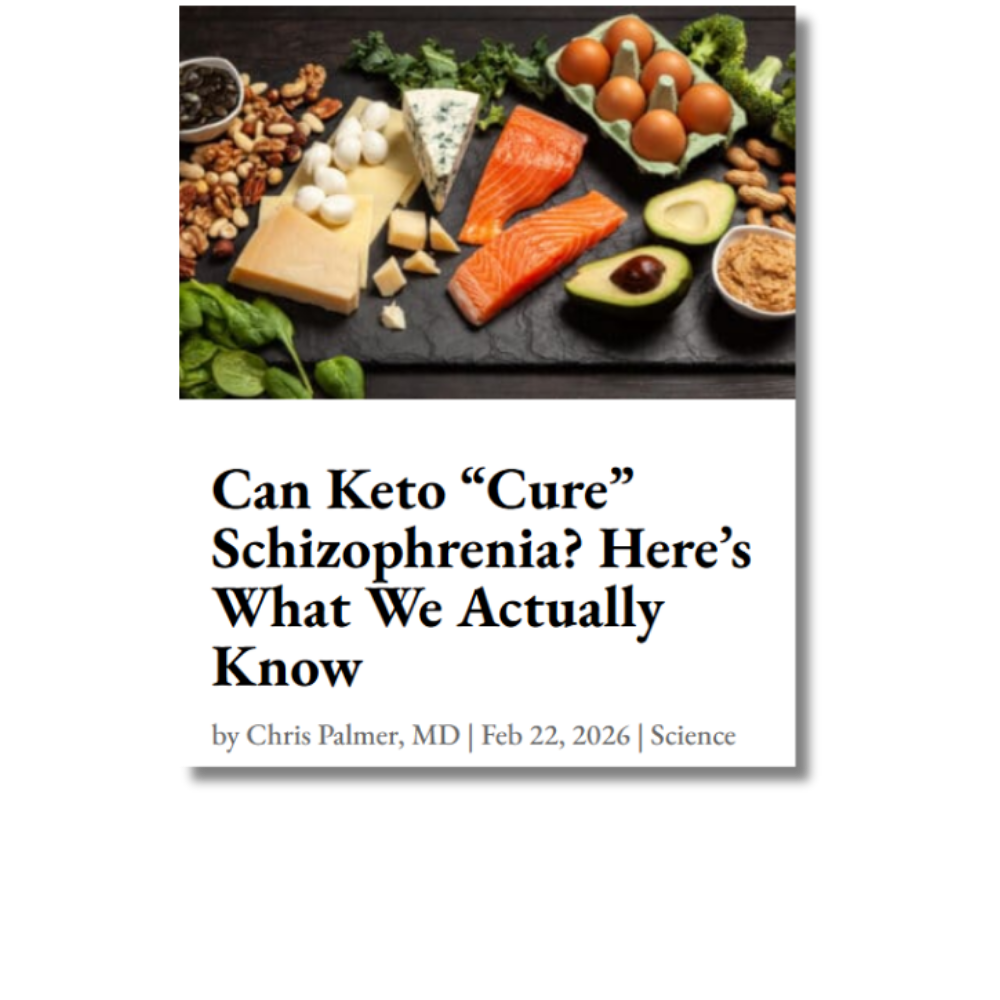
The New York Times and The Washington Post both published cursory articles about the potential for a ketogenic diet to ‘cure’ schizophrenia in response to comments made by HHS Secretary Robert F Kennedy Jr., in which he loosely referred to Dr. Chris Palmer’s (author of Brain Energy) groundbreaking work.
Separately, 60 Minutes aired a segment in which Kennedy, former FDA commissioner Dr. David Kessler, and author Michael Pollan all argued that industrially engineered food overwhelms our biology and drives chronic illness.
Pause to reflect:
What are your first reactions when you hear: 'food might cure schizophrenia' and 'ultraprocessed food is making us sick'?
What shapes your reactions?
Three responses to RFK’s remarks and the reactions they provoked:

Lauren Kennedy West
Expert by Experience
@livingwellafterschizophrenia
Dr. Bret Scher
Medical Director
MetabolicMind
Dr. Chris Palmer
Harvard psychiatrist, researcher, and leading voice in the field of metabolism and mental health
The Science of Ketogenic Therapy for Mental Health
Skepticism is understandable. The idea that a dietary intervention can alleviate psychiatric symptoms can feel almost disrespectful: how could something so serious hinge on something so ordinary?
But optimism is warranted and curiosity is called for.
'Could the ketogenic diet feed the flame of life in such a way that it unleashes the natural healing forces in the organism?'
~ Martin Picard, PhD, Mitochondrial Psychobiologist
That question is being carefully studied and clinically applied. For a comprehensive view of completed and active clinical trials, case series, and pilot projects please visit Metabolic Mind’s research page. To see individual testimonials about the qualitative results of using keto for mental health, visit their THINK + SMART page.
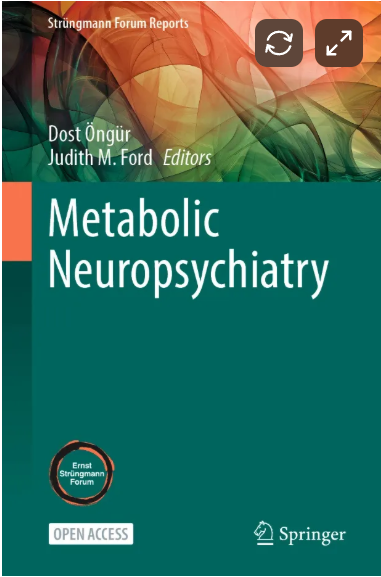
See also: Dr. Picard’s Substack post: Bringing Brain Energy Into Focus: Inside the Ernst Strüngmann Forum on Metabolic Neuropsychiatry, including this free, downloadable book.
A Crisis of Metabolism
While the keto-related headlines felt sensational, the 60 Minutes feature felt serious. As described in September's newsletter, Dr. Kessler’s petition calling for the FDA to revoke the Generally Recognized as Safe (GRAS) status of refined carbohydrates advances a desperately needed focus in medicine: that the crisis of chronic disease is a crisis of metabolism.
Kessler connected ultra-processed foods to:
Pre-diabetes and type 2 diabetes
Hypertension
Abnormal lipid profiles
Fatty liver
Heart attacks and strokes
Heart failure
Which brings us back to Heart Health Month
Is it safe to eat fat? Do statins prevent plaque? Is LDL the right target?
Below is a sampling of resources that examine cardiovascular health through a metabolic lens:
From Metabolic Mind:
From Dr. Phillip Ovadia, Heart Surgeon:
From Dave Feldman and the Citizen Science Foundation:
Peer Reviewed Perspective:
Taking the conversation further: These perspectives explore heart health through biophysics, systems biology, and whole-system physiology.
A Framework in Flux
‘We need a robust field of science focused on the healing process’
~ Martin Picard, PhD, Mitochondrial Psychobiologist
For years our culture has conveyed that any food is fine in moderation if calories consumed are less than calories ‘burned’. Meanwhile, highly engineered foods, devoid of nutrition, were designed to override satiety and amplify reward. The result is a peculiar shame: we blame ourselves for struggling against products built to be irresistible. As Dr. Kessler has made plain, they are also making us sick.
Our medical system is brilliantly organized to detect and medicate disease. When a framework has long relied on sophisticated solutions, returning to nutrients and metabolism can feel less like a breakthrough and more like an uncomfortable realization that something basic has been overlooked (that’s ok, it’s still a breakthrough).
Right now, we have two opportunities to support further progress.
The New York Times reported that Dr. Palmer envisions a day when dietary interventions might be a first-line treatment for psychotic disorders, but that at present, he did not advise patients to stop taking medications or try the diet without close medical supervision. ‘This has been my heartbreaking journey for the last several years because I literally have thousands of people reaching out to me begging for this treatment, and the reality is there are not many clinicians who offer it.’
This is what my son, Andrew, needed.
And this is where we come in! Our friends at Metabolic Revolution are less than $300 from reaching their funding goal to supply first year psychiatry residents with copies of Brain Energy, by Dr. Palmer, and Change your Diet, Change your Mind, by Dr. Georgia Ede.

Metabolic Revolution’s GoFundMe campaign
The FDA’s February 2, 2026 deadline has come and gone, but Secretary Kennedy has publicly said it will reexamine GRAS status for refined carbohydrates, emphasizing that the questions raised are ones the agency 'should’ve been asking a long, long time ago.' There is still time to for the public to act.
Urge Congress to support the petition to revoke GRAS status for processed, refined carbohydrates
For our hearts and minds, as Hilary Boynton, Founder of School of Lunch has said, 'Food is not everything, but it is foundational'.
We’ll look at the broader concept of terrain next month.
As always, thank you for your engagement to help make metabolic interventions a first line treatment!