The Cholesterol Code: For Everyone Who Has a Heart
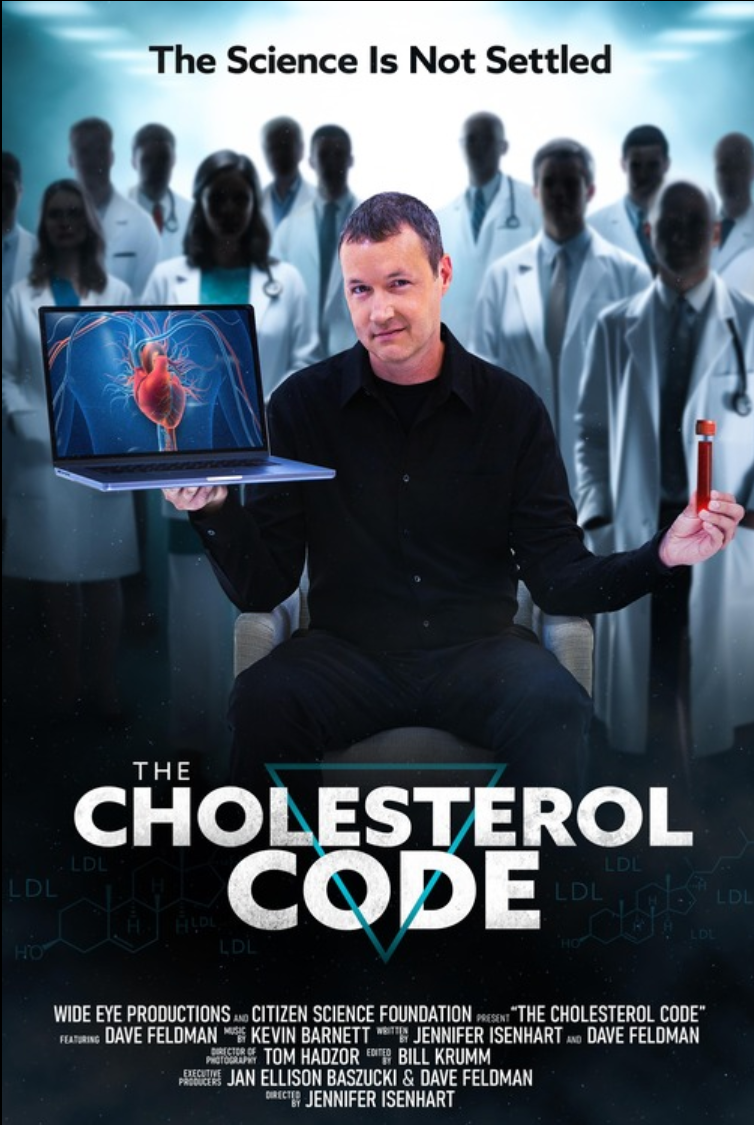
‘When a data-driven engineer reverses his pre-diabetes with a low-carb diet, he feels invincible-- until a routine blood test reveals sky-high cholesterol. Caught between feeling his best and a deep fear of heart disease, he refuses to accept easy answers, launching a powerful new study that challenges the mainstream science shaping our beliefs.’
I love this movie. If you follow the metabolic health community, you’ll recognize familiar faces sharing the remarkable journeys we’ve witnessed from a distance. Citizen scientist Dave Feldman brings their stories close, zeroing in on the dilemma they face: to continue a ketogenic diet and a dramatically improved quality of life, or to prioritize the most emphasized risk indicator for cardiovascular disease, LDL cholesterol.
In under two hours, the film delivers a rich blend of personal stories and scientific inquiry, as it documents Feldman’s investigative journey to resolve this dilemma. In the process, we meet a young athlete with Type-1 diabetes, an MD/PhD student who had been incapacitated by irritable bowel disease, several people who found relief from serious, in some cases, debilitating psychiatric symptoms (including anorexia), a food addiction specialist, and a heroic pioneer of therapeutic carb restriction.
Underlying these refreshing stories are scientific discoveries that surprised even a consulting lipidologist. These insights are valuable and important for everyone who has a heart, not just those practicing keto. Here’s why: while the 2026 guidelines from the American College of Cardiology and American Heart Association have expanded to include metabolic and renal health, they also focus on reducing lifetime exposure to LDL cholesterol. To that end, the guidelines recommend lipid screening for children aged 9–11 (to rule out lipid disorders), and broaden the criteria for prescribing statins to adults as young as thirty, if deemed to be at high risk for cardiovascular disease. Given this, it makes sense to know as much as possible about cholesterol and what to do about it – for oneself or for a loved one.
Related: Today's 30-year-olds were babies when the FDA formalized the Generally Recognized as Safe (GRAS) loophole in 1997, allowing food manufacturers to self-certify the safety of their ingredients. Remember that Dr. David Kessler has petitioned the FDA to revoke the GRAS designation for refined carbohydrates, describing in detail the metabolic harm they cause. The FDA has issued only a procedural interim response.
Whether you’ve considered a ketogenic diet but have been worried about cholesterol, or you’re not into keto, but care about heart health, I hope you’ll watch this film.
As you do, listen for answers to the questions below - and notice the new ones it raises, keeping in mind, as Dave Feldman says: ‘The science is not settled’:
Why does the body make LDL – what does it actually do?
How dynamic are LDL levels?
What is the Lipid Energy Model?
Does LDL always go up with ketosis?
Do any other health markers predict cardiovascular risk?
What does LDL indicate about plaque?
What is the ‘mammogram for the heart’?
What new questions do you have?
See buttons at the top for ways to watch the movie. Pair with expert panel discussions, found here:
Cholesterol Code: YouTube Playlist
As always, thanks for engaging to help advance metabolic health!